Cancer awareness, Advocacy, Research & Career development

Lets Talk Cancer Zimbabwe

Talk cancer zim is a non-profit organisation pioneered by allied health professionals in the cancer care continuum in Zimbabwe. It was founded by Michelle Chishamiso Madzudzo, a passionate radiation therapist and avid cancer advocate in May 2017 with a mandate of cancer awareness, advocacy, research and career development.

TCZ endeavors to address the present need for increasing health literacy with respect to cancer in order to effect behaviour change and promote healthy lifestyle and well being of our people. The organization is also committed to advocate for the commitment of resources from different stakeholders in cancer awareness, prevention, early detection through screening, diagnosis, treatment, research and surveillance of cancer.

Our Scope

Awareness
Advocacy

Research & Career Development

Lets Talk Cancer Now!

We are the nation's trusted cancer information hub and we are committed to providing timely useful and relevant cancer information to the nation. As an organization we endeavour to educate the Zimbabwean population and raise awareness on key cancers identified and outlined as priority cancers in our country . These priority cancers include :

While focusing on these priority cancers, we acknowledge the importance of other cancers and we are dedicated to providing information and support on all cancer types Throughout the year, various cancer awareness campaigns take place to educate the General public and support those affected by cancer.

Cancer Information & Resources

We believe that knowledge is power in the fight against cancer. We are dedicated to providing accurate, reliable, and up-to-date information on cancer prevention, diagnosis, treatment, and management. We aim to educate and empower Zimbabweans to take control of their health, fostering a cancer-aware community that strives towards a cancer-free future."

According to the national cancer registry in Zimbabwe cancer has increasingly the largest number of morbidity over the last two decades nationwide. Particularly cervical, prostate, breast, colon and childhood cancers have been identified as priority cancers due to the high incidences recorded. As Talk cancer Zim we are here to disseminate timely, useful and relevant cancer information to every Zimbabwean.

What is Cancer?

Cancer is a disease that happens when some cells in our body start growing and multiplying too much. Normally, cells grow, do their job, and then die. But cancer cells don't die . They keep growing and forming tumors.

The human body is made up of 60 different organs and each organ can develop cancer.

There are over 200 different types of cancers
  • Carcinomas
  • sarcoma
  • leukaemia
  • Lymphoma
  • Melanoma
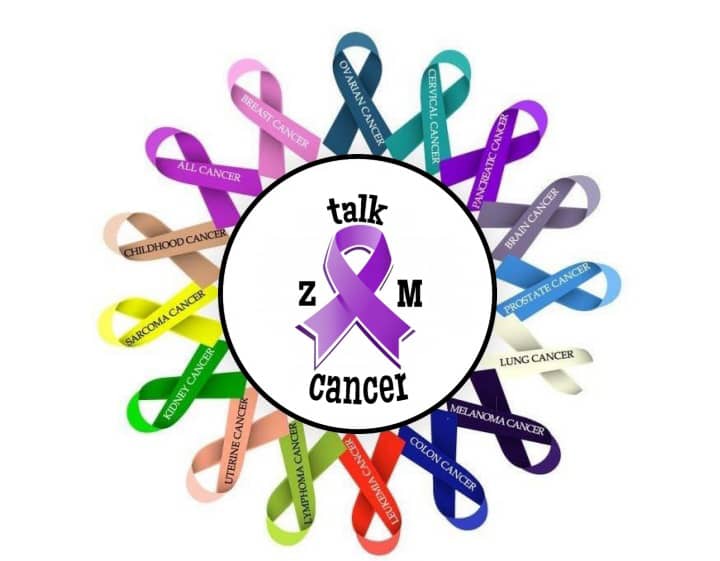
It is important to note that each type of cancer has a unique colour theme and awareness ribbon symbolizing hope, resilience and solidarity.
Cancer continues to be a burden in Zimbabwe , according to the global cancer observatory (GLOBOCAN) in 2020 Zimbabwe reported 16083 new cancer cases and 10676 deaths. Furthermore, the National cancer registry in Zimbabwe 2019 reported that the most common adult cancers are cervical, prostate , breast, colon and oesophagus.

Cancer is a complex and multi-factorial disease and understanding its risk factors is crucial for prevention and early detection. While some risk factors cannot be changed, others can be avoided. Knowing the risk factors for cancer can empower individuals to make informed lifestyle choices and reduce risk of developing cancers.
The following are some of the known risk factors for cancer.
  • alcohol
  • tobacco
  • family history
  • genetic mutations
  • radiation exposure
  • Ultraviolet radiation
  • obesity and physical inactivity
  • infection e.g. HPV, hepatitis B and C
  • environmental factors e.g. asbestos, benzene, pesticides
  • unhealthy diet.

It is important to note these facts about cancer risk factors;
  • they do not cause cancer at all times
  • they do not cause cancer under all circumstances
  • simply put risk factors do not always cause cancer in every person every time there is some kind of exposure
  • some risk factors cause cancer if a person is exposed in a certain way
  • some cause cancer in people with a certain genetic make up
  • some lead to cancer only after a small exposure
  • some require intense exposure over years.

According to the World Health Organization (WHO), 30 percent of cancers are preventable. Here are some of the habits that can help reduce the risk of developing cancer:
  • stop smoking
  • reduce alcohol intake
  • practising safer sex
  • avoiding overexposure to sun
  • limiting dairy foods , sugar and salt intake
  • eating a high fibre diet rich in fruits and vegetables
  • avoid additives such as nitrite, preservatives and colourants.
Remember prevention is better than cure

Cancer can be a silent killer, but being aware of the warning signs and symptoms can make all the difference, the following are the 7 warning signs of cancer.
  1. Unusual bleeding or discharge
  2. Lump(s) or thickening
  3. Sore(s) that do not heal.
  4. Change in bowel and bladder habits
  5. Unexplained weight loss
  6. Pain
  7. indigestion or difficulty breathing
Remember these signs and symptoms can be caused by other conditions. If you notice any of these do not wait but rather seek help early, consult a healthcare professional for proper evaluation and diagnosis. Early detection is key to effective cancer treatment.

Common cancer treatment modalities in Zimbabwe are Surgery, Chemotherapy and Radiotherapy. While other treatment options like Immunotherapy and Targeted Therapy exist, these three remain the most commonly used and accessible in our local healthcare setting.

Surgery
This is the removal of the affected part of the body in a procedure known as an operation. It is used to remove tumors, repair damaged tissues and relieve symptoms.
Types of surgery include:
  • Curative surgery- aims to remove the tumour completely.
  • Debunking surgery- removes as much of the tumour as possible.
  • Palliative surgery- relieves symptoms and improves quality of life.
Chemotherapy
This is the use of medications to destroy cancer cells . It is given to either cure or shrink the growth of cancer. it to promotes the effective of surgery by killing possible remaining cancer cells , it is given as an injection in most cases or as pills and tablets . Chemotherapy is frequently given in courses with rest between periods to allow normal cells to recover .
It can be :
  • Adjuvant chemotherapy- given after surgery to reduce risk of recurrence.
  • Neo-Adjuvant chemotherapy- given before surgery to shrink tumour.
  • Palliative chemotherapy- relieves symptoms and slows disease progression.
Radiotherapy
This is the use of high-energy x rays to destroy cancer cells. It is given to either cure or shrink the growth of cancer, to increase the effectiveness of surgery by killing possible remaining cancer cells, or to relieve symptoms.
Radiotherapy is usually given externally through a machine called a linear accelerator that directs radiation to the affected area through a process called teletherapy, or internally through a small radioactive implant, through a process commonly known as brachytherapy. Radiotherapy can be:
  • Curative Radiotherapy: given to cure cancer
  • Adjuvant Radiotherapy: given after surgery to reduce risk of recurrence
  • Neoadjuvant Radiotherapy: given before surgery to shrink tumor
  • Palliative Radiotherapy: relieves symptoms and slows disease progression.
Radiotherapy is typically given in daily sessions, Monday to Friday, over several weeks. In Zimbabwe, radiotherapy is offered at three specialized centres on an outpatient basis;
  • Parirenyatwa radiotherapy department (Harare)
  • Mpilo central hospital (Bulawayo)
  • Oncocare (Newlands Harare)

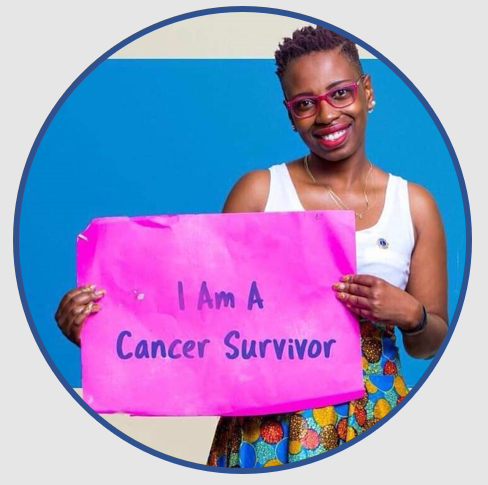
A cancer survivor is often referred to as someone who previously had cancer but no longer has any signs of cancer after finishing treatment.
It can as well refer to an individual living with, through and beyond cancer. This means cancer survivorship begins from the point one is diagnosed with cancer.
The secret behind one’s survival after cancer diagnosis is seeking treatment earlier. Though some cancers can be so complex even at their early stages, but at this stage they can be easy to manage. The quality of life after cancer diagnosis and throughout the treatment is one of the most important prognostic factors. This is because cancer survivors are at risk of recurrence of the primary cancer and the development of new cancers. Therefore, eating and lifestyle habits should be monitored including smoking, alcohol consumption and a sedentary lifestyle. Eating of healthy balanced foods and exercises can boost will power in battling the disease.

Also, an assessment of lifestyle behaviours and provision of appropriate counselling is vital for achieving cancer survivorship care quality. It is important to put forward measures with quality assurance programmes being implemented so as to monitor and improve the care that all cancer survivors receive.
Though cancer survivors are relieved that they have fought cancer vigilantly and remained standing, they still have the society which can be discriminating, leading to reduced social networking and support. It is, therefore, everyone’s duty to simplify the life of a cancer patient in every way possible; materially, financially or psychologically if that cancer patient is to continue living. Every June is cancer survivors month,we ought to commemorate and celebrate the lives of cancer survivors in our country through the “ YOU MATTER WE MATTER “ Survivors Campaign.

Overall Impact of Talk Cancer Zim

Map of Impact!

Lets all unite in the fight against cancer and support those affected by this devastating disease.

Your donation will directly fund:
1. Essential support services for patients and families.
2. Life-changing research and treatment programs.
3. Awareness & Community Outreach programs

About TCZ

TCZ endeavors to address the present need for increasing health literacy with respect to cancer in order to effect behaviour change and promote healthy lifestyle and well being of our people.

Contact Us

Mobile Numbers:
+263 774 866 873
+263 718 423 527

Email Address: infor@tcz.org.zw